Sept 18–26, 2026  ·  Frederick Fairgrounds, Maryland Independent fan guide — not run by the county or the fair
Frederick County Fair An Independent Visitor's Guide

Home  /  Food

Bill of fare

What To Eat

A hundred-odd stands, four of which people plan their visit around. Here is what each one actually is — including the Maryland things that need explaining if you did not grow up here.

Vendors change year to year — these are long-standing favourites, not a guaranteed 2026 line-up

The ones with queues

Four stands, in order

Tap any entry to open the longer explanation — what the dish is, where it comes from, and why people care about it.

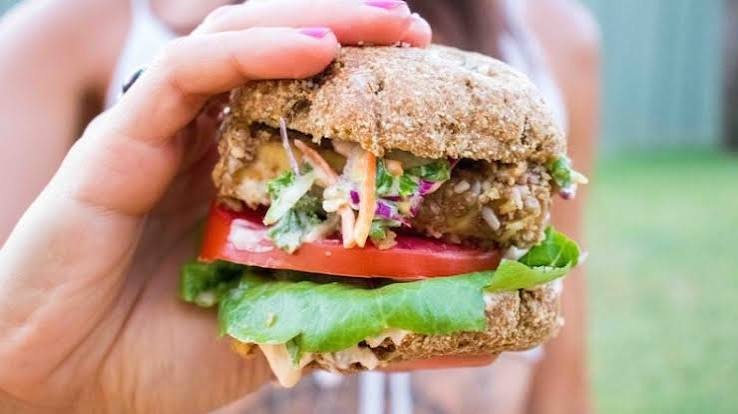
A grass-fed beef sandwich piled with slaw, tomato and lettuce on a whole-grain bun
Hemp's Meats — grass-fed beef sandwich
Order first

Hemp's Meats

A working butcher shop from Jefferson, a village about eight miles south-west of Frederick, that brings its own meat to the fairground and cooks it there. That is the whole explanation for the queue: most fair food is bought in, and this is not.

The core of it is a grass-fed beef sandwich and a country ham sandwich, plus platters if you want sides with it. Sweet tea and lemonade to drink.

  • What to orderThe grass-fed beef sandwich. A platter if you want it to count as lunch rather than a snack.
  • Why it's goodFarm-to-stand in the literal sense — the same butcher that sells the meat is the one grilling it.
  • Heads upThere is always a line. It moves, but it is always there.
  • Best timeBefore noon or after 2 p.m. The lunch rush between is the worst of it.
What is a country ham, exactly?

Country ham is dry-cured — packed in salt for weeks or months, then aged — rather than wet-cured in brine like the supermarket kind. The result is firmer, considerably saltier and much more strongly flavoured, closer to prosciutto than to sandwich ham. In a Mid-Atlantic butcher's hands it is usually sliced thin and griddled, which softens the salt and crisps the edges.

If you have only eaten deli ham, this will not taste like what you expect. That is the point of it.
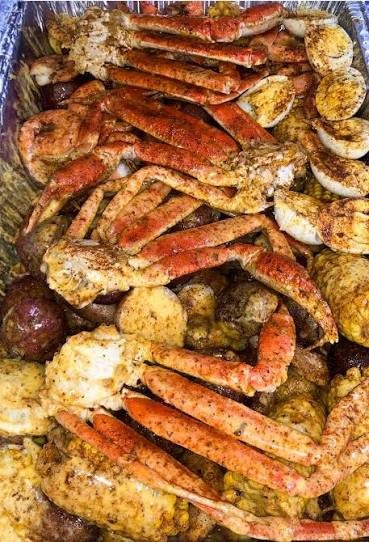
A tray of steamed snow crab legs, shrimp, corn and potatoes seasoned with Old Bay
J.B. Seafood — a steamed seafood platter
Maryland classic

J.B. Seafood

Proper Maryland seafood at a fairground, which should not be possible and somehow is. Soft-shell crab, crab cakes, crab soup, shrimp salad and fried oysters.

If you are visiting Maryland and want to eat one regional thing, this stand is the shortcut. If you are from here, you already know.

  • What to orderSoft-shell crab if it's in season and you're feeling brave. A crab cake if you're not.
  • The soup questionTwo kinds exist and they are not similar — see below before you order.
  • Heads upSeafood pricing at a fair is seafood pricing. This is the expensive stand.
  • Good pairingWhatever you get, it wants Old Bay on it. It will probably arrive that way.
Soft-shell crab, crab cakes and the two soups — explained

Soft-shell crab is a blue crab caught in the short window just after it has moulted, when the new shell is still papery. It is cleaned, fried and eaten whole — shell, legs and all — usually in a sandwich. Legs sticking out of the bun is not a mistake; that is what it looks like. The texture is crisp outside and rich inside, and it is one of the genuinely distinctive things about eating on the Chesapeake.

A Maryland crab cake is judged on how little is holding it together. Lump crabmeat, a bare minimum of binder, seasoning, then broiled or fried. If it tastes mostly of breadcrumb, it is a bad one. A good one barely keeps its shape.

The two soups. Cream of crab is rich, pale and sherry-scented. Maryland crab soup is a completely different animal — tomato-based, loaded with vegetables, heavily spiced with Old Bay, and thin rather than creamy. People have firm loyalties. Ask which they have before you commit.

Old Bay, since it keeps coming up, is a celery-salt-and-paprika seasoning blend made in Maryland since the 1940s. It is on everything here, and locals will put it on things you would not expect.

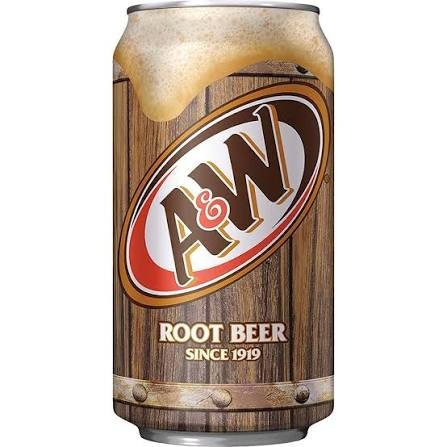
A frosted can of A&W root beer
The Root Beer Truck — the base of the float
Institution

The Root Beer Truck

Decades at this fair, and the queue is generational — people who were brought here as children now bring their own. Root beer floats, orange soda and pink lemonade, served cold in a frosted cup.

Get the float. Do not overthink it.

  • What to orderThe root beer float. Everything else on the truck is a consolation prize.
  • Why frostedThe cup is chilled, which keeps the ice cream solid long enough to actually eat it.
  • Best timeMid-afternoon, when the grounds are at their hottest and the queue is at its most justified.
  • Heads upIt is a dessert and a drink at once. Do not order it straight after a platter.
Why a root beer float foams like that

Vanilla ice cream contains fat and protein; carbonated root beer is full of dissolved carbon dioxide. When they meet, the fat destabilises the bubbles and the protein traps them, so the CO₂ comes out of solution all at once and gets held in a stiff foam rather than escaping. That thick collar of froth on top is the whole trick, and it is why a float works with ice cream but collapses with a scoop of sorbet.

Root beer itself is an American soft drink originally flavoured with sassafras root — now usually with substitutes — plus wintergreen, vanilla and spices. If you did not grow up with it, it tastes startlingly like a medicine cabinet for the first two sips, and then it does not.

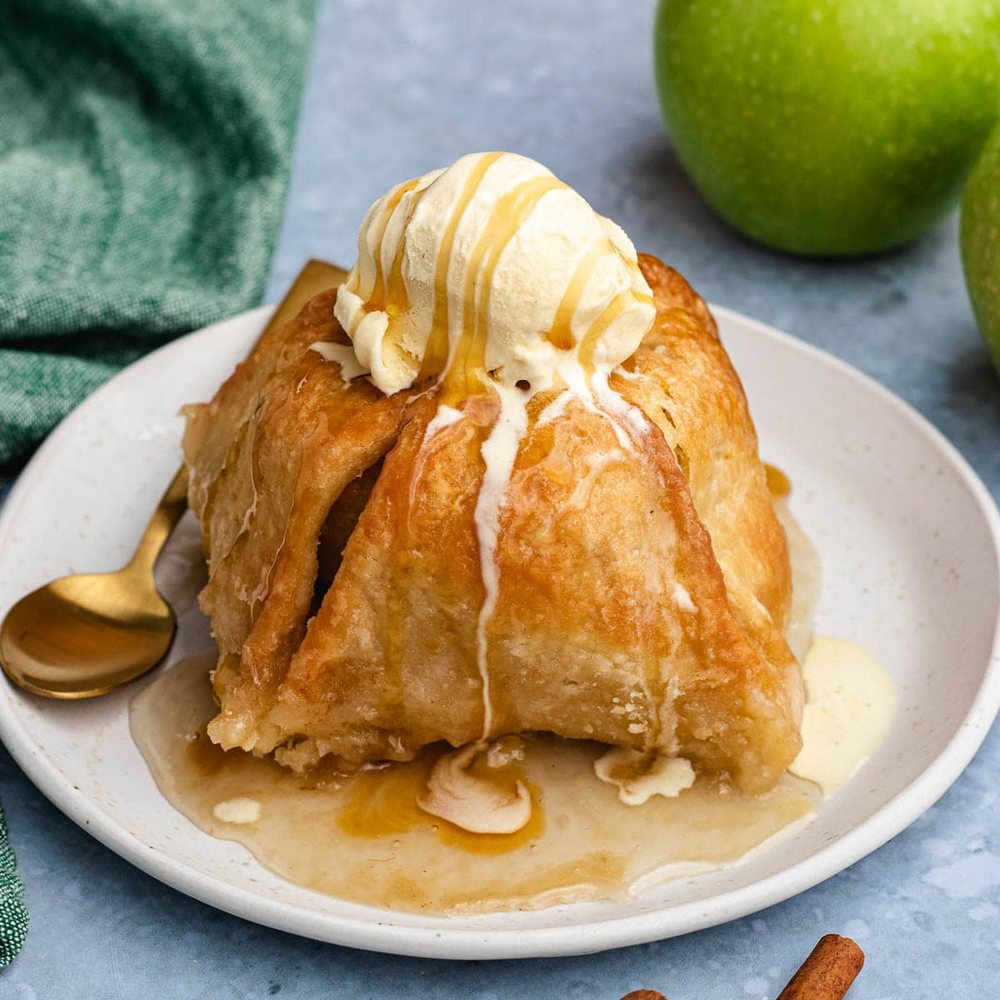
A baked apple dumpling topped with a scoop of vanilla ice cream and caramel
Valley Concessions — apple dumpling with ice cream
Back of the grounds

Valley Concessions — Apple Dumplings

A warm apple dumpling under a scoop of ice cream, from a stand toward the back of the fairground, away from the midway. It is the item people describe as the thing they think about all year, and it is worth the walk on its own.

The walk is also the point — it takes you through the quiet end of the grounds, which is the good end.

  • What to orderThere is one thing. Get it with the ice cream, not without.
  • WhereToward the rear of the grounds, away from the rides. Ask if you can't find it.
  • Best timeLast. On the way back to the car, after everything else.
  • Heads upServed hot. Give it a minute or you will regret the first bite.
What an apple dumpling actually is

A whole apple, cored, packed with cinnamon sugar and often butter, wrapped completely in pastry and baked until the fruit collapses into something between a compote and a poached apple while the crust goes golden. Frequently a sweet syrup is poured over during baking, so the base ends up sticky.

It is a Pennsylvania Dutch dish, which is exactly why it turns up at a fair in Frederick County — this part of Maryland sits at the southern edge of that culinary region, and dumplings, shoofly pie and apple butter all crossed the line into the county's food traditions generations ago. Eating one at an agricultural fair in September, made from apples picked a few weeks earlier, is about as close to the point of a county fair as food gets.

The rest of it

The standing cast

Beyond the four, the fair carries the full county-fair repertoire with a Maryland accent. Treat these as categories rather than a directory — the stands behind them change.

Fried, and on a stick

Funnel cake

Batter poured through a funnel into hot oil in overlapping loops, fried until crisp, then buried in powdered sugar.

More

Corn dogs, fried dough, fresh-cut fries with vinegar, onion rings, and whatever novelty someone has decided to batter this year. The rule at every fair: if there is a queue of teenagers, it is good; if there is not, it is oil.

Church & civic stands

Homemade pie

Local organisations run stands as fundraisers — country ham, chicken dinners, and pie made by people rather than factories.

More

These are usually the best value on the grounds and the money stays in the county. They are also where the fair still looks most like itself: staffed by volunteers, cash-friendly, and serving the kind of food that gets made for church suppers the rest of the year.

The dairy bar

Milkshakes

Tied to the dairy exhibits, which is a nice piece of circularity — the cows are a hundred yards away.

More

Fair dairy bars are typically run by or alongside the dairy programme, and they are non-negotiable on a hot afternoon. Thick enough that the straw is decorative.

Roasted in the husk

Sweet corn

Ears roasted in their husks, peeled back, and rolled in butter and salt. September is exactly the right month for it.

More

Maryland sweet corn is at its tail end by mid-September, which makes fair week close to the last good corn of the year. Roasting in the husk steams the kernels rather than drying them out, which is why it tastes different from boiled.

Sweet and salty

Kettle corn

Popped in a kettle with sugar and salt going in at the same time, so it caramelises as it pops.

More

The difference from ordinary popcorn is that the sugar goes into the kettle rather than onto the finished corn, so each kernel gets a thin caramel shell. Bought in a bag the size of a pillow. Will not survive the drive home, and everyone knows it.

Shaken in front of you

Lemonade

Multiple competing stands, all shaking it theatrically. Pick the shortest queue; they are functionally identical.

More

Fair lemonade is made to be drunk in heat: heavier on sugar than you would make at home, served over a lot of ice, and often shaken with a whole lemon half dropped in the cup. Some stands do a strawberry version, which is the same thing with purée in it.

Practicalities

Paying for it

Most stands take MasterCard, Visa and Discover. A handful — usually the smallest civic and church stands — still prefer cash, and the ATMs on the grounds carry a fee and a queue.

Carry forty dollars in small bills. It covers the parking lot on the way in, the one stand that waves your card away, and the ring-toss you swore you weren't doing.

Lunch Bunch — Monday to Thursday, 11 a.m. to 2 p.m. — waives gate admission on the understanding that you buy lunch on the grounds. If food is the point of your visit anyway, that is a free ticket.

Cards accepted

MostMasterCard · Visa · Discover

Nearly all food vendors and gates.

Cash required

Lots A–DParking · $10 · no cards

Infield parking at $15 is the only lot that takes plastic.

Everything else you need

Hours, parking, accessibility, the bag policy and the answer to "can I bring the dog" (you cannot).